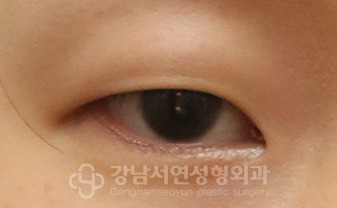
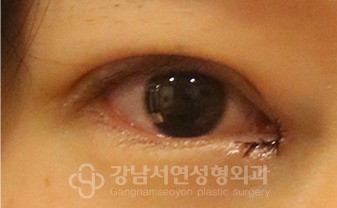
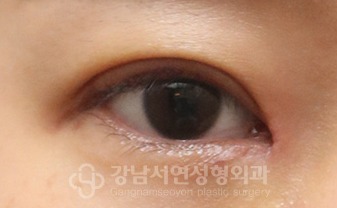
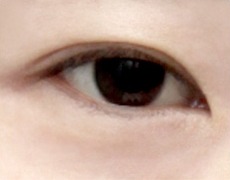
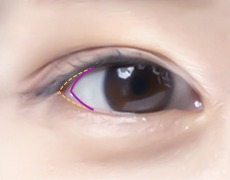
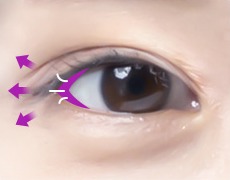
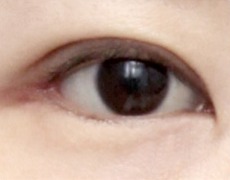
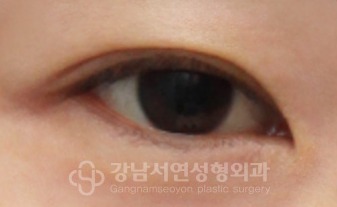
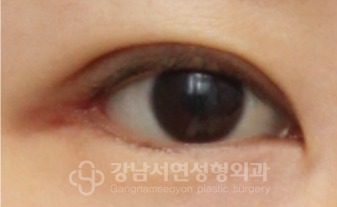
Not just big eyes, but eyes with beautiful lines
"Canthoplasty is not just about making the eyes bigger. It is the process of refining the eye proportions and overall impression."
— Dr. Choi Dong-il, Chief Surgeon
The before and after photos shown here are taken 6 months before and after surgery. For other photos, please use the Before & After viewer at the top of the menu.
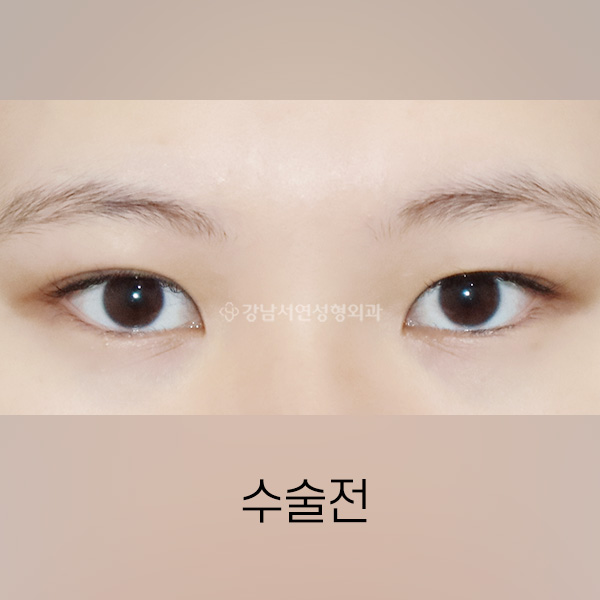
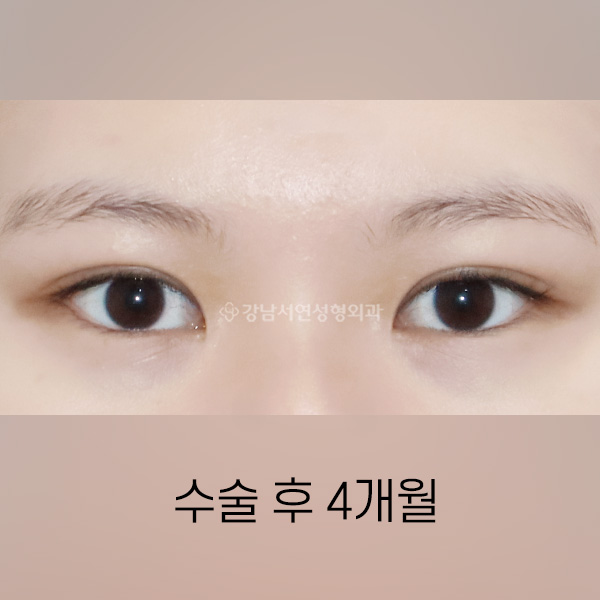
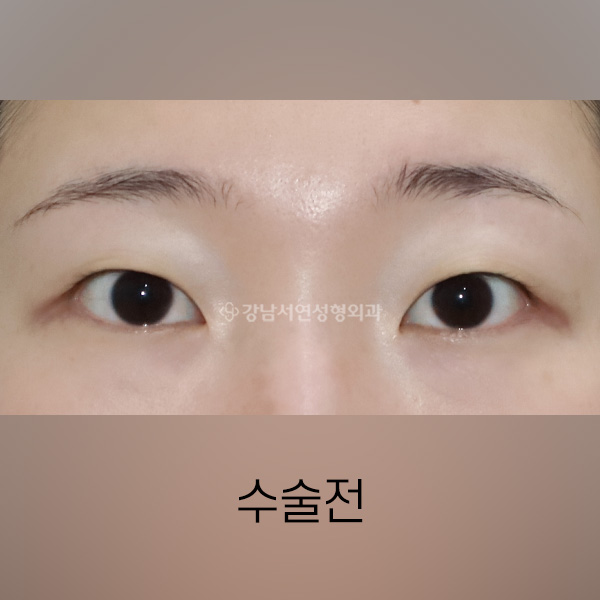
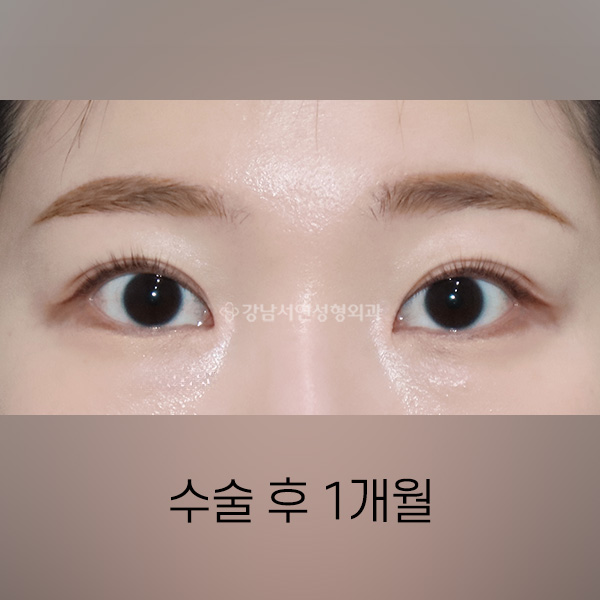
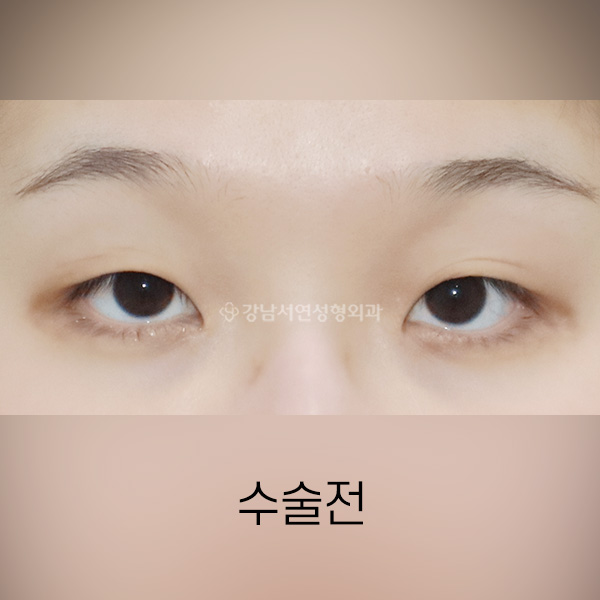
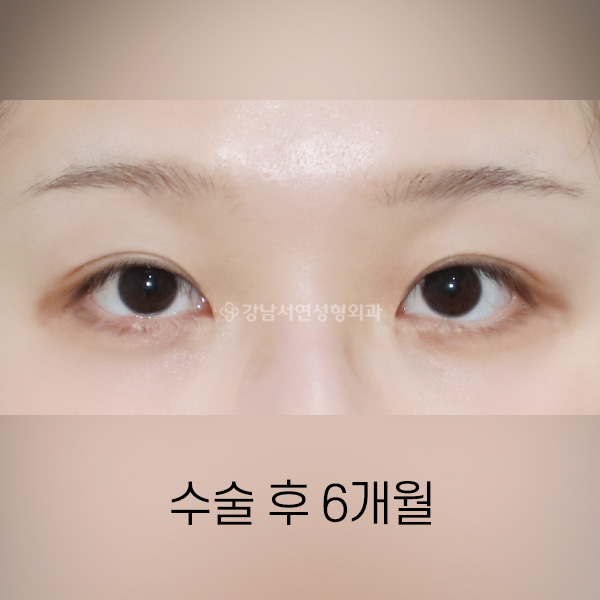
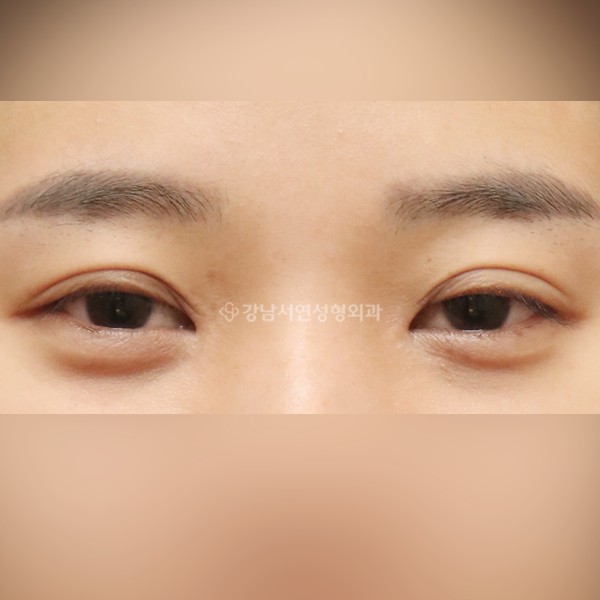
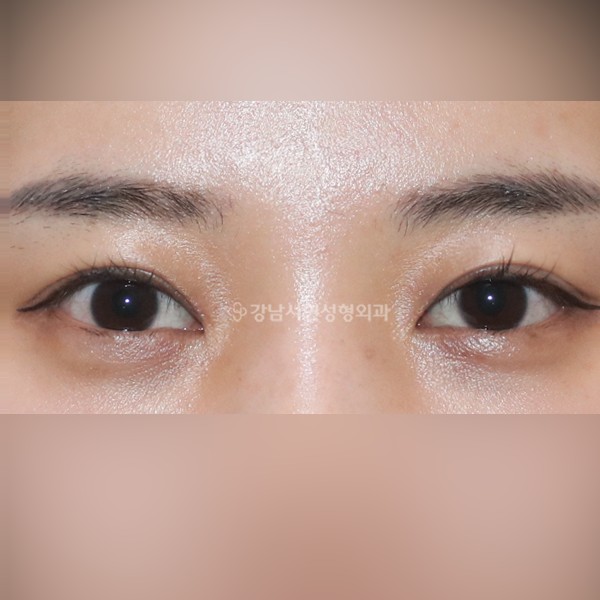
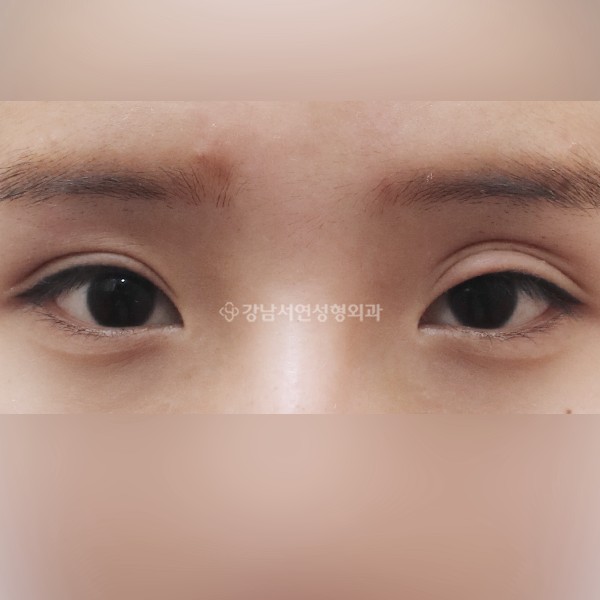
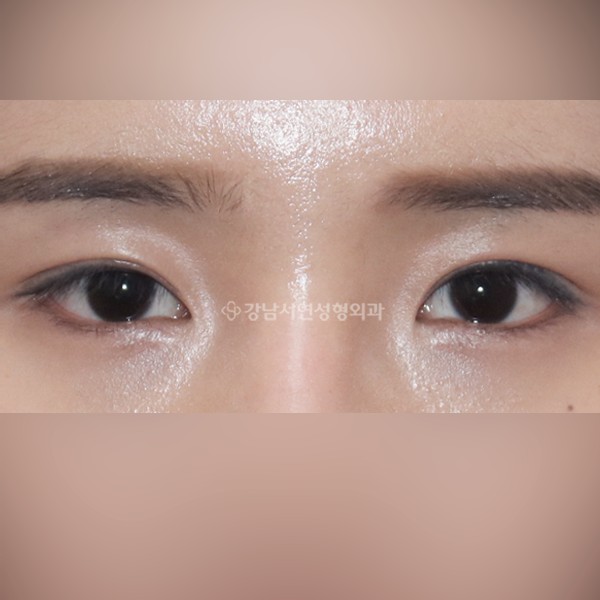
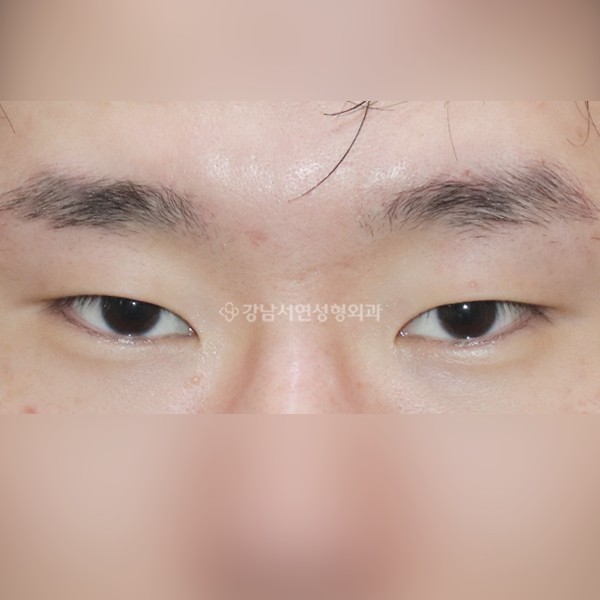
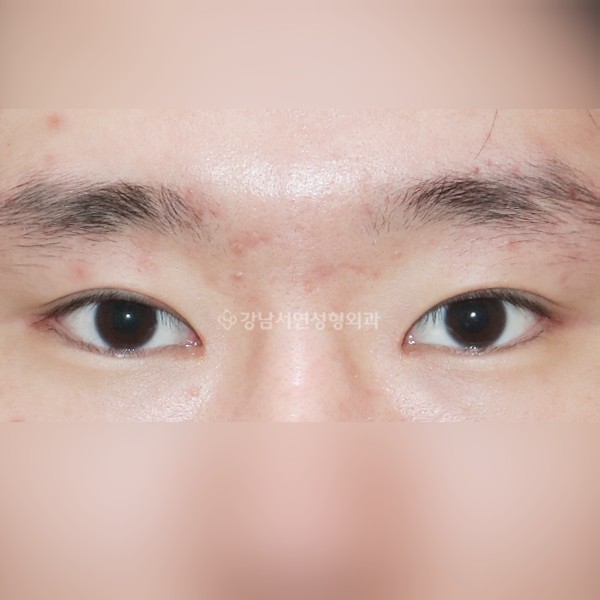
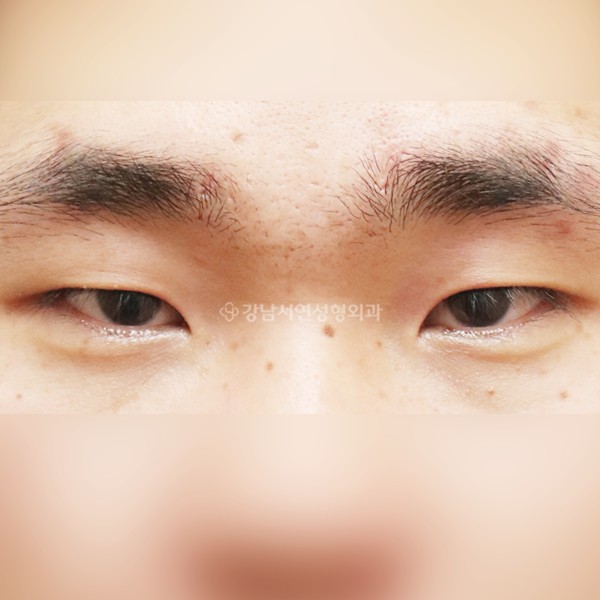
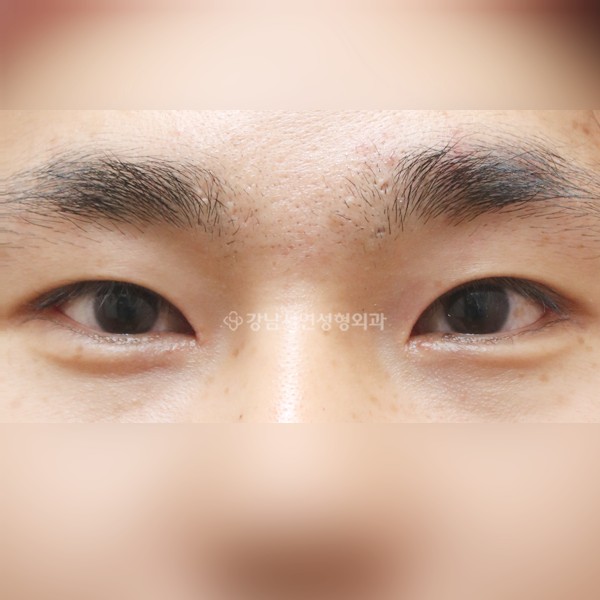
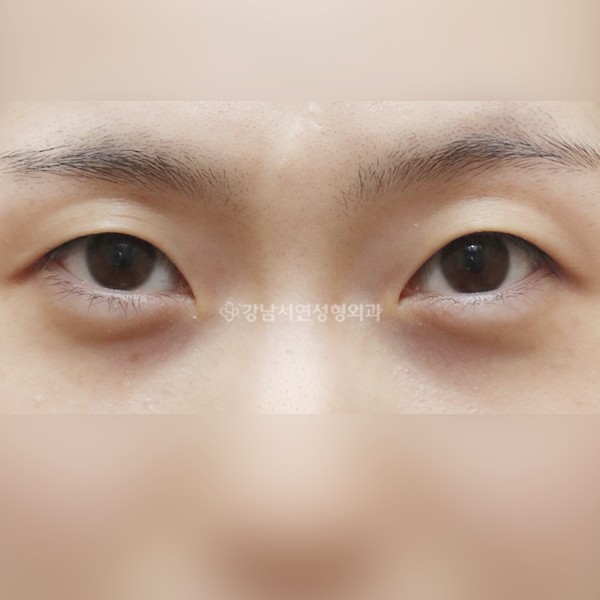
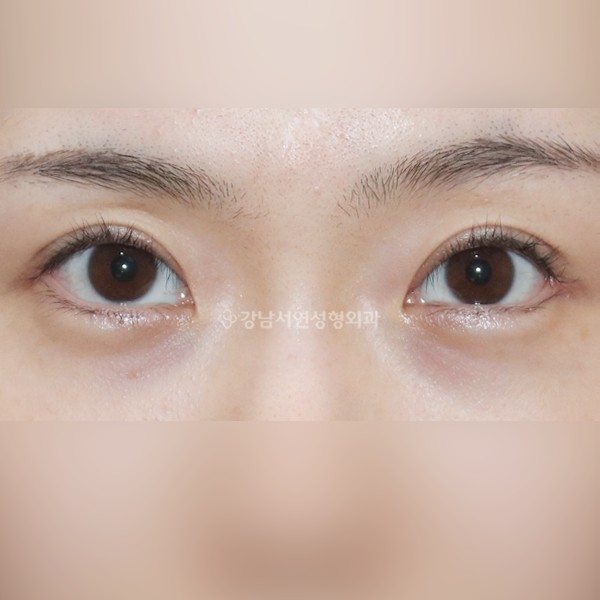
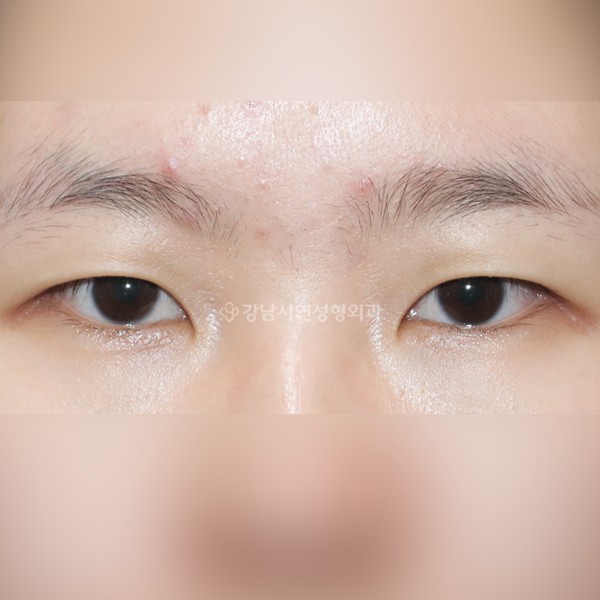
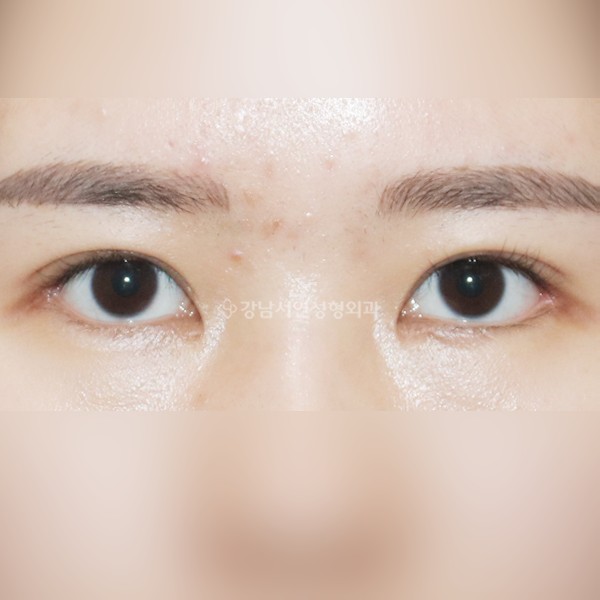
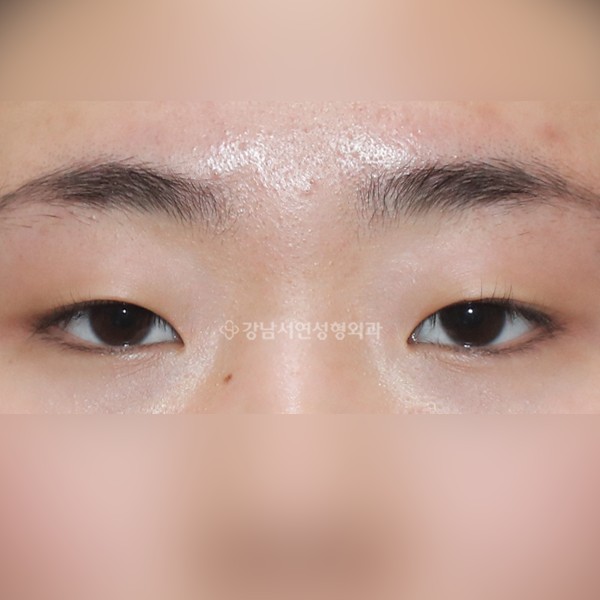
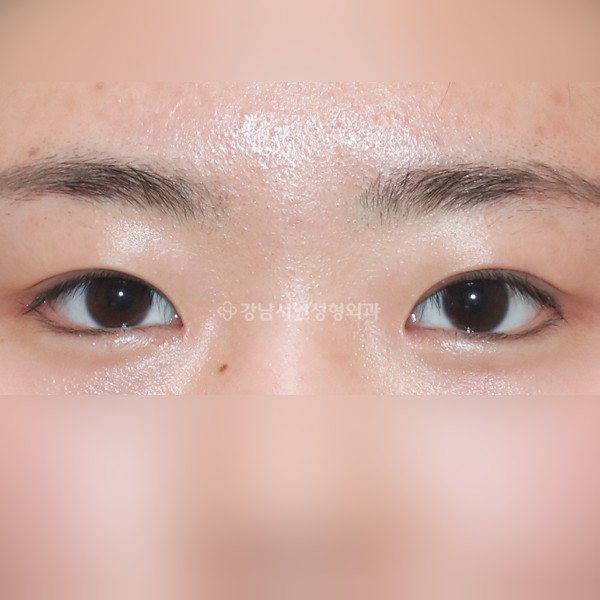
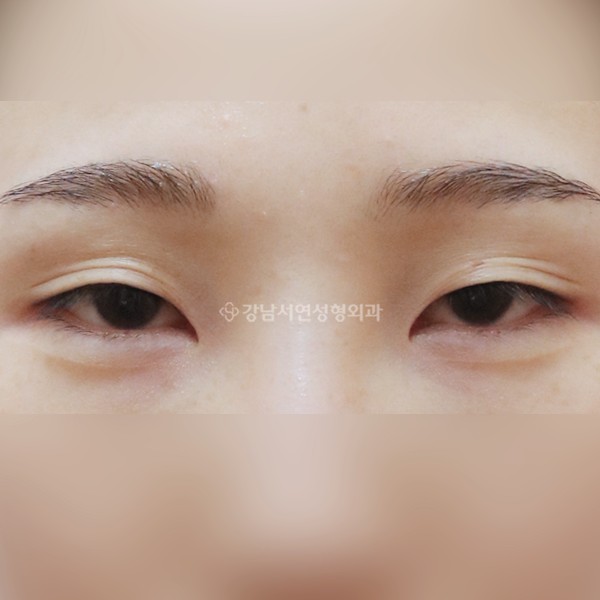
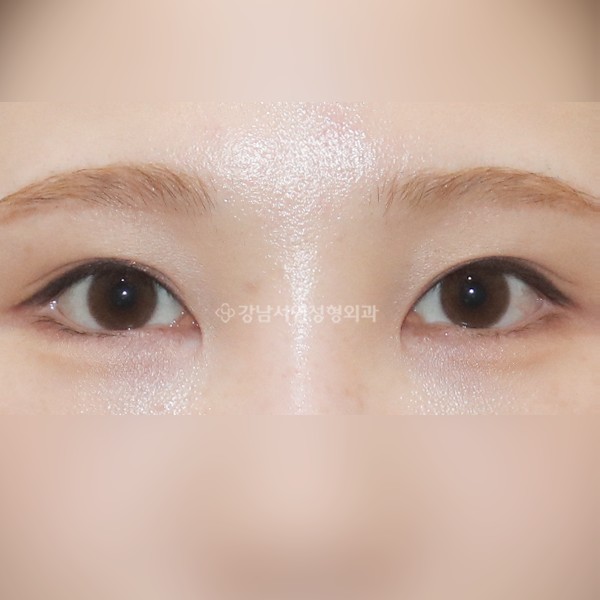
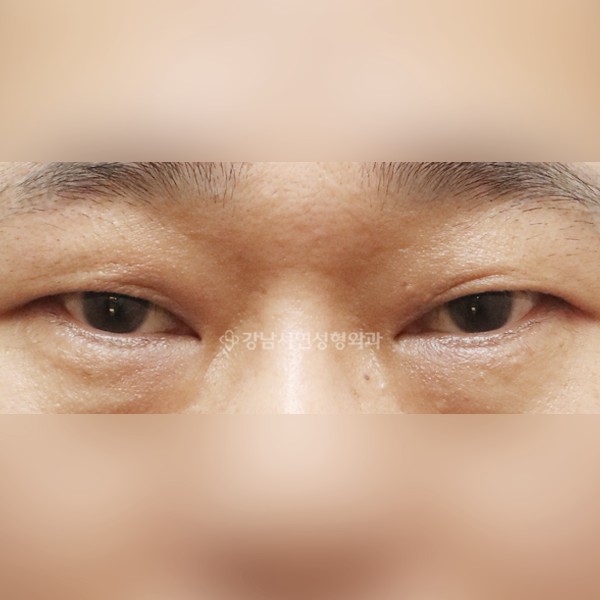
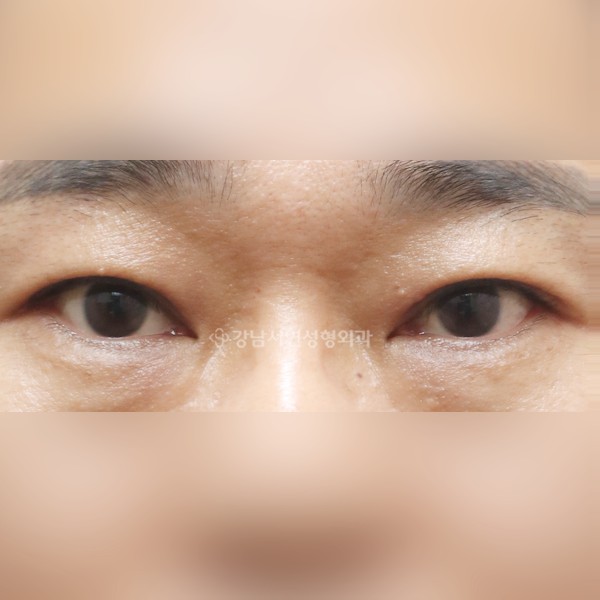
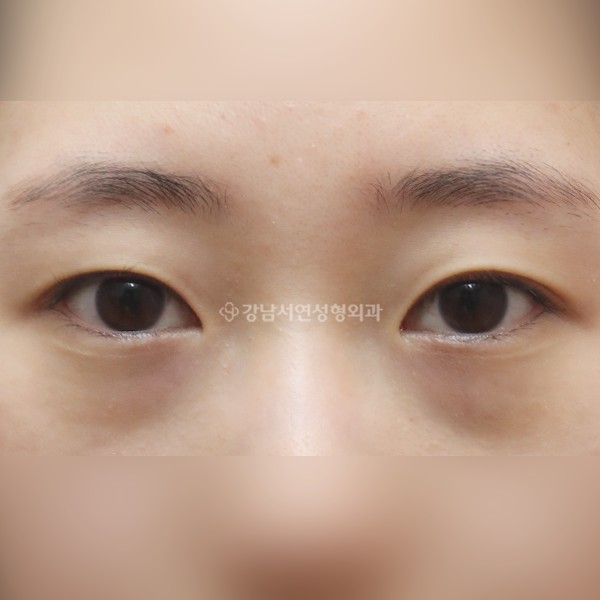
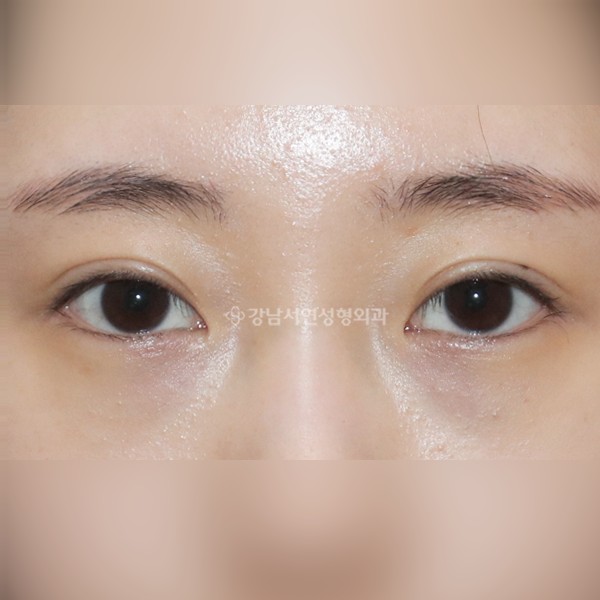
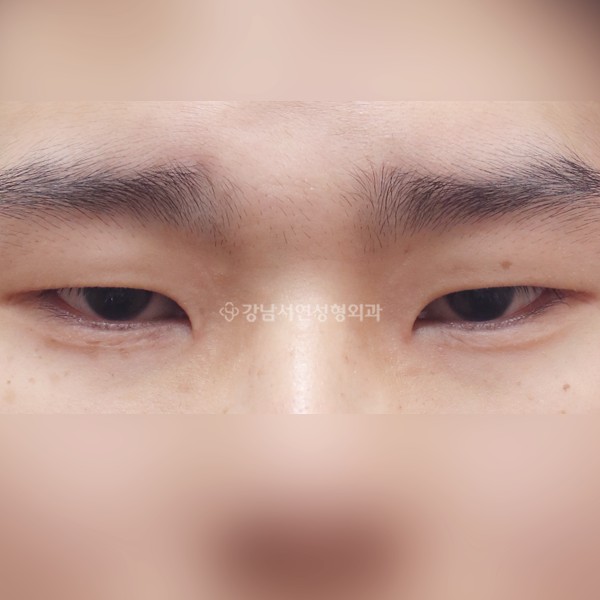
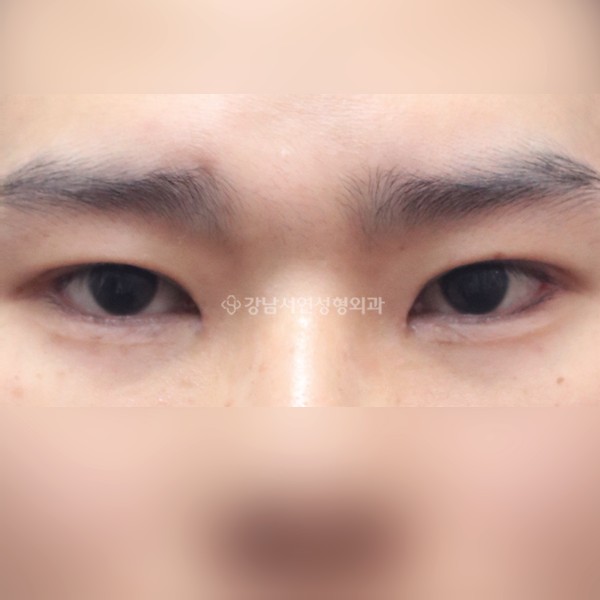
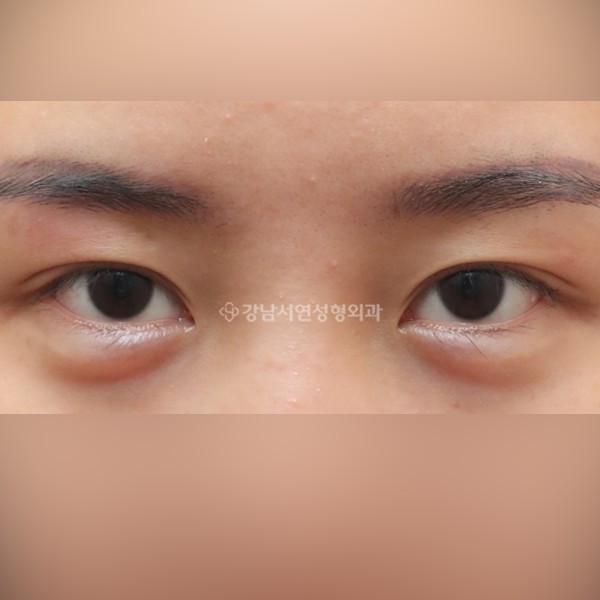
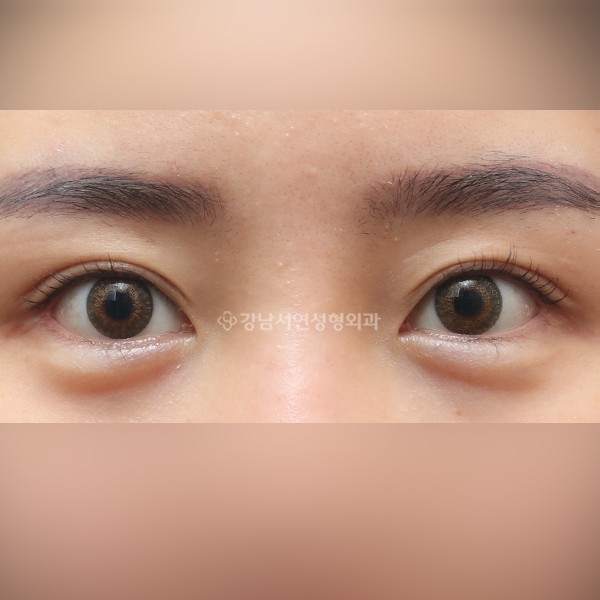
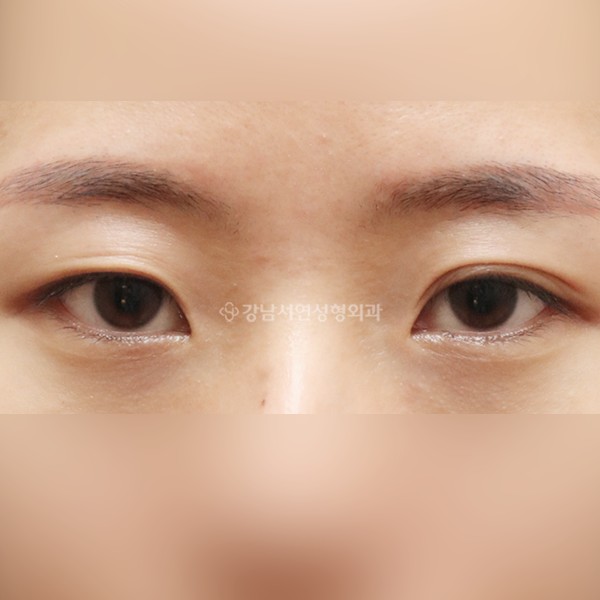
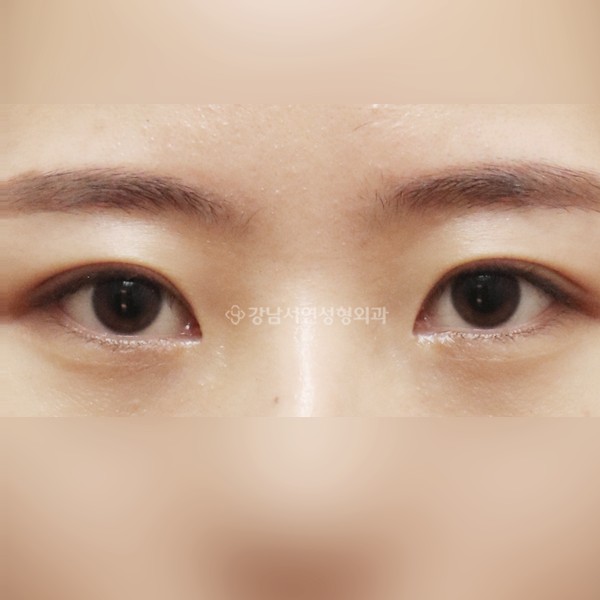
From surgery time to returning to daily life at a glance.
5 cases suitable for Gangnam Seoyeon Canthoplasty.
Even with double eyelids,
Those with stuffy-looking eyes
Short horizontal eye length,
making the eyes look small
Those concerned about drooping or
upward-slanting outer eye corners
Epicanthal folds
Those who have them
Those who want bigger and
more refreshing eyes
Canthoplasty is popular because it makes stuffy-looking eyes look refreshing and clear, and can improve the eye shape as desired. However, if performed unconditionally without considering the current eye condition, scleral showcan worsen or the impression may look fiercer. For safe and satisfactory results, please make sure to consult thoroughly with a skilled plastic surgeon before deciding on the surgery.
The representative plastic surgeon directly consults and takes consistent responsibility from determining indications to post-operative care.
We meticulously analyze the degree of epicanthal folds, eye proportions, and the exposure of the lacrimal caruncle (red flesh).
We create natural results with Gangnam Seoyeon's unique design and surgical techniques.
Skin Repositioning Method — Scars are barely visible over time
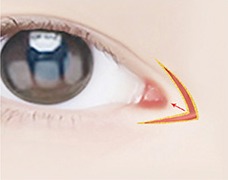
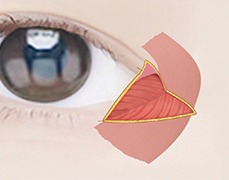
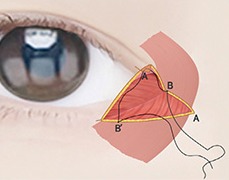
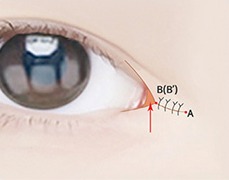
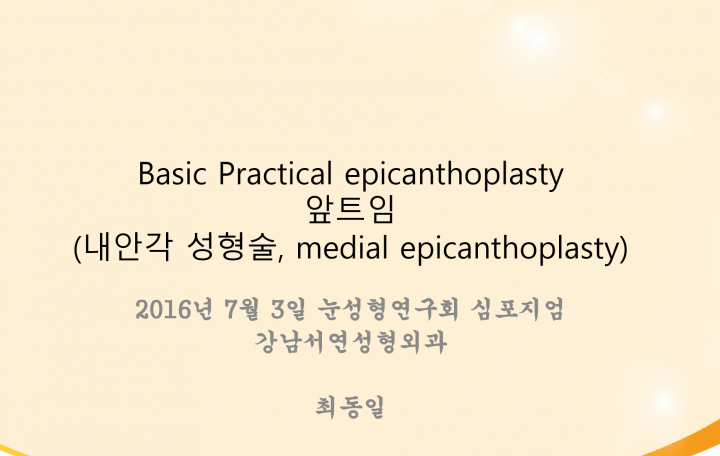
Gangnam Seoyeon considers not only the double eyelid shape and eye contour, but also the exposure of the lacrimal caruncle (red flesh) at the inner corner of the eye,meticulously analyzing them to create a customized design, Skin Repositioning Methodwhich is then performed. Typically, 70~80% exposure of the lacrimal caruncle is preferred (cited from 2016 and 2020 Epicanthoplasty Conference presentations). It has the advantage of scars becoming barely visible over time.
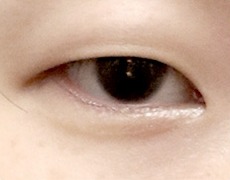
Stuffy appearance with the lacrimal caruncle covered.
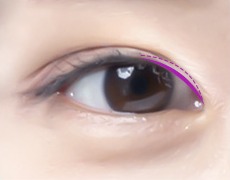
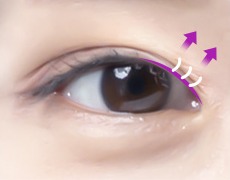
Appearance immediately after skin repositioning.
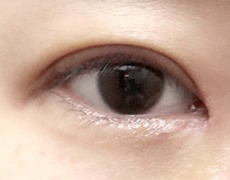
Recovery period after stitch removal.
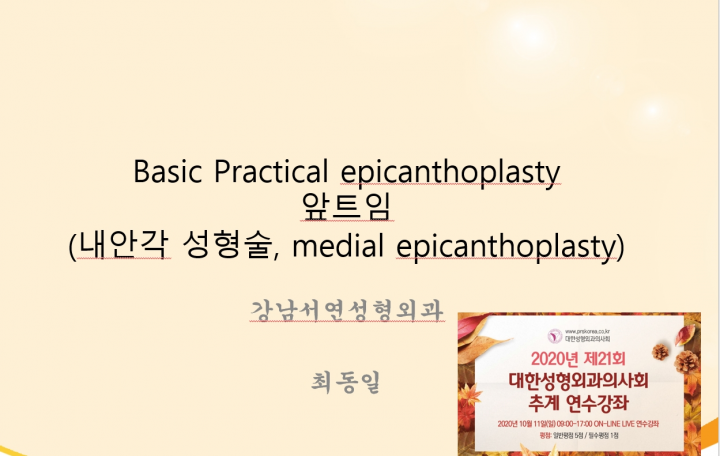
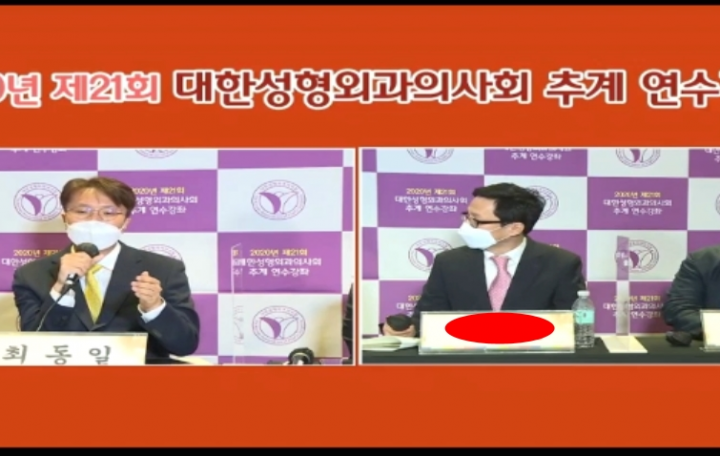
This is a lecture on epicanthoplasty (medial epicanthoplasty) conducted for domestic plastic surgeons.
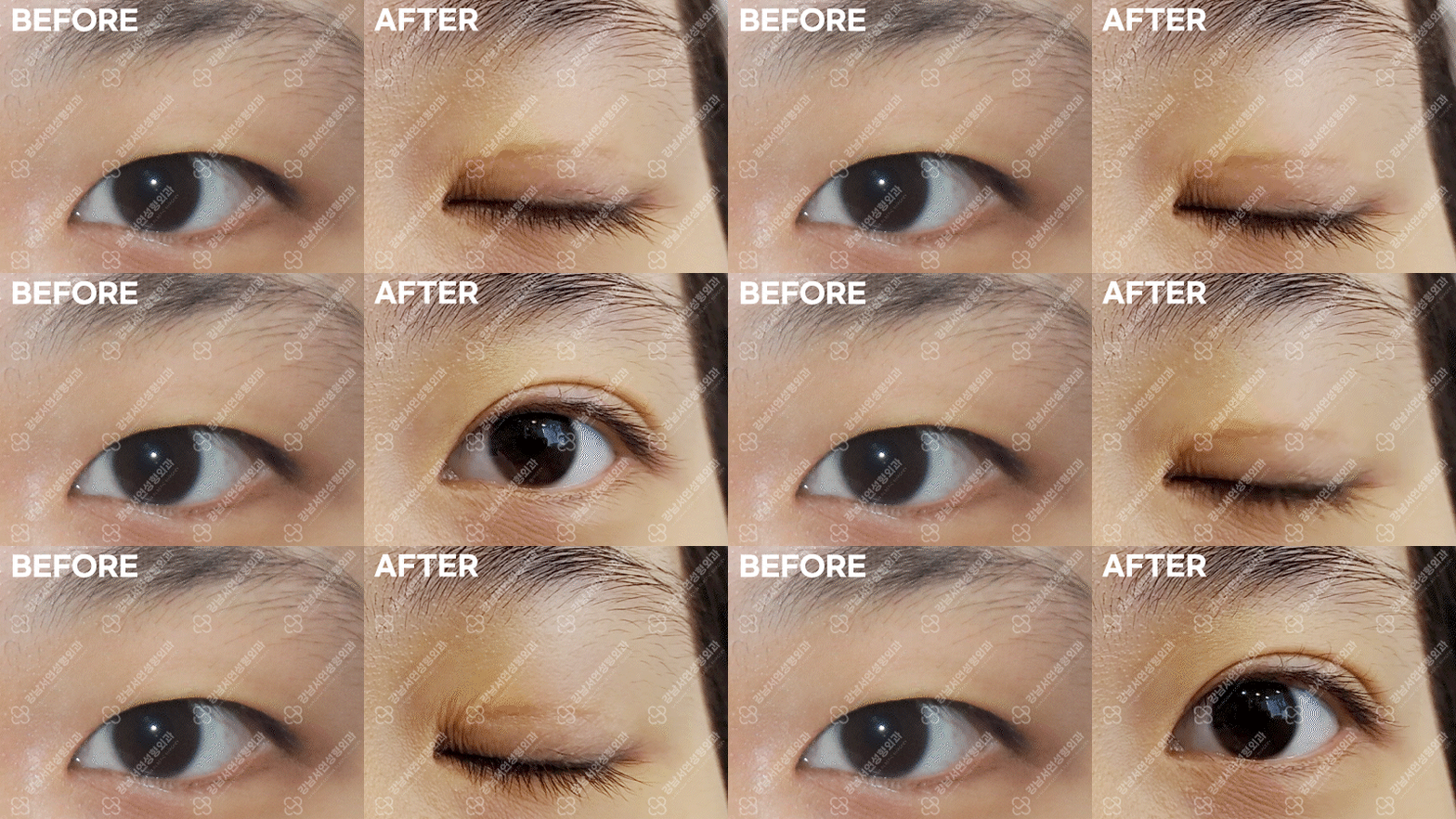
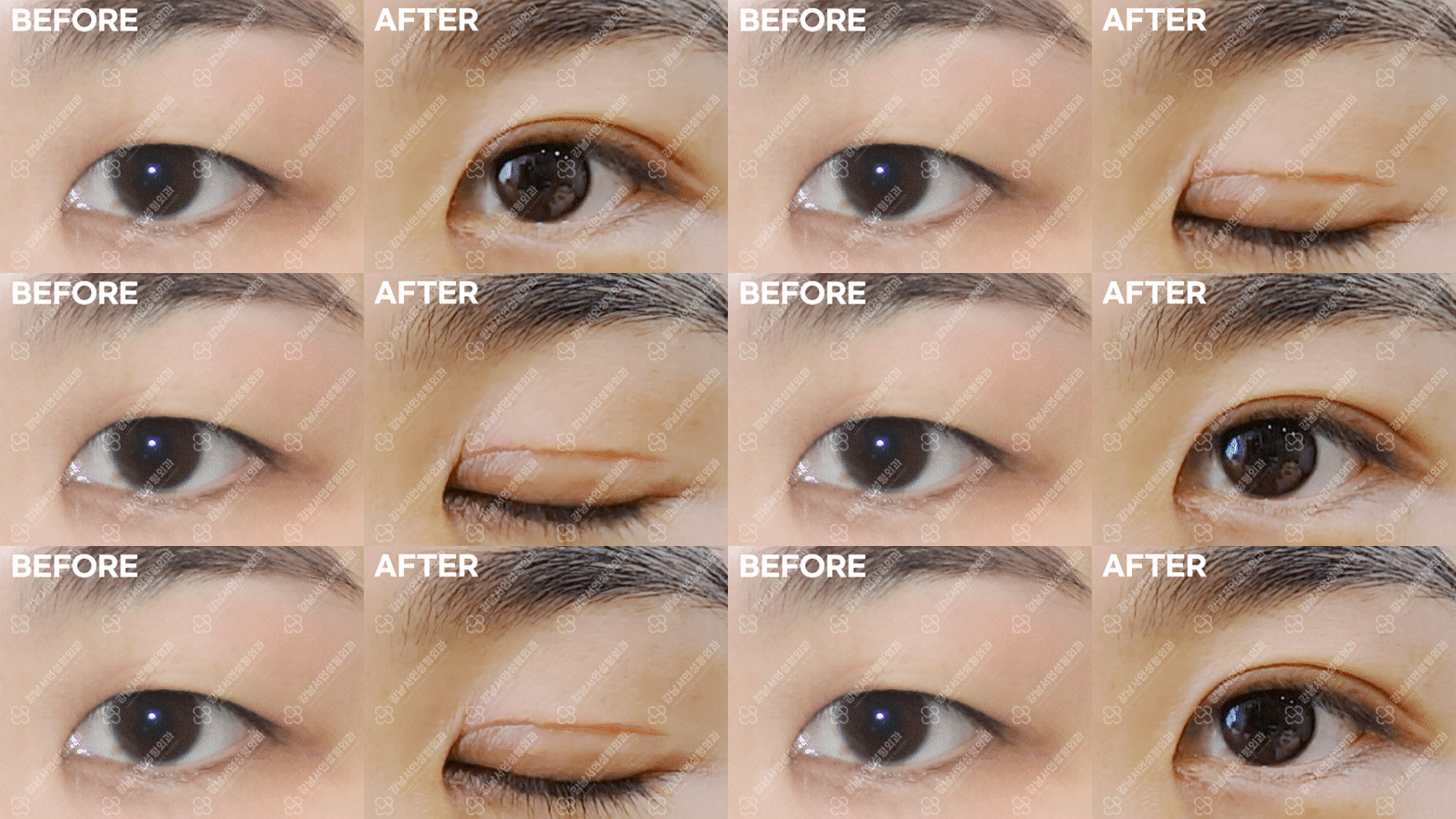
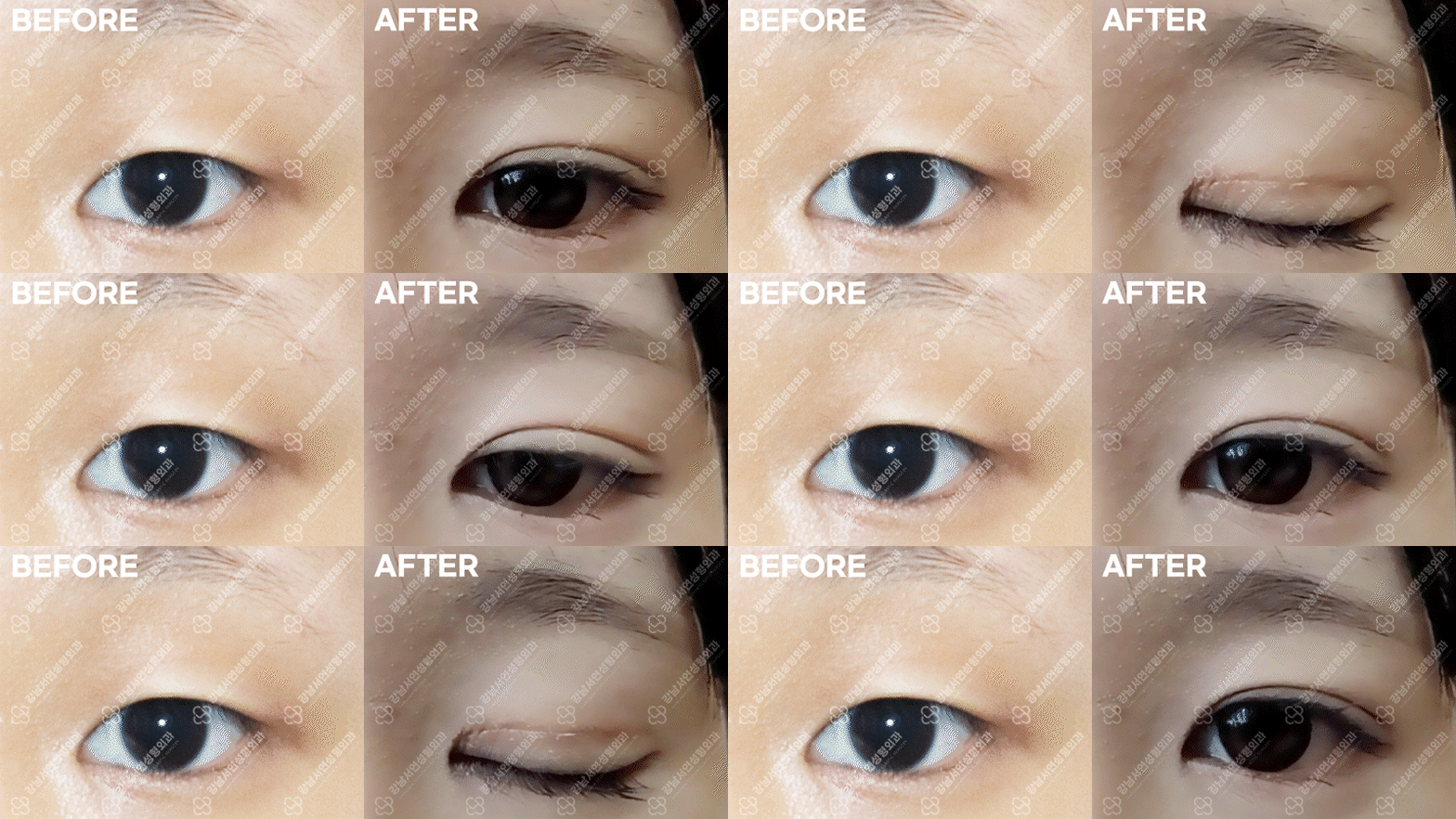
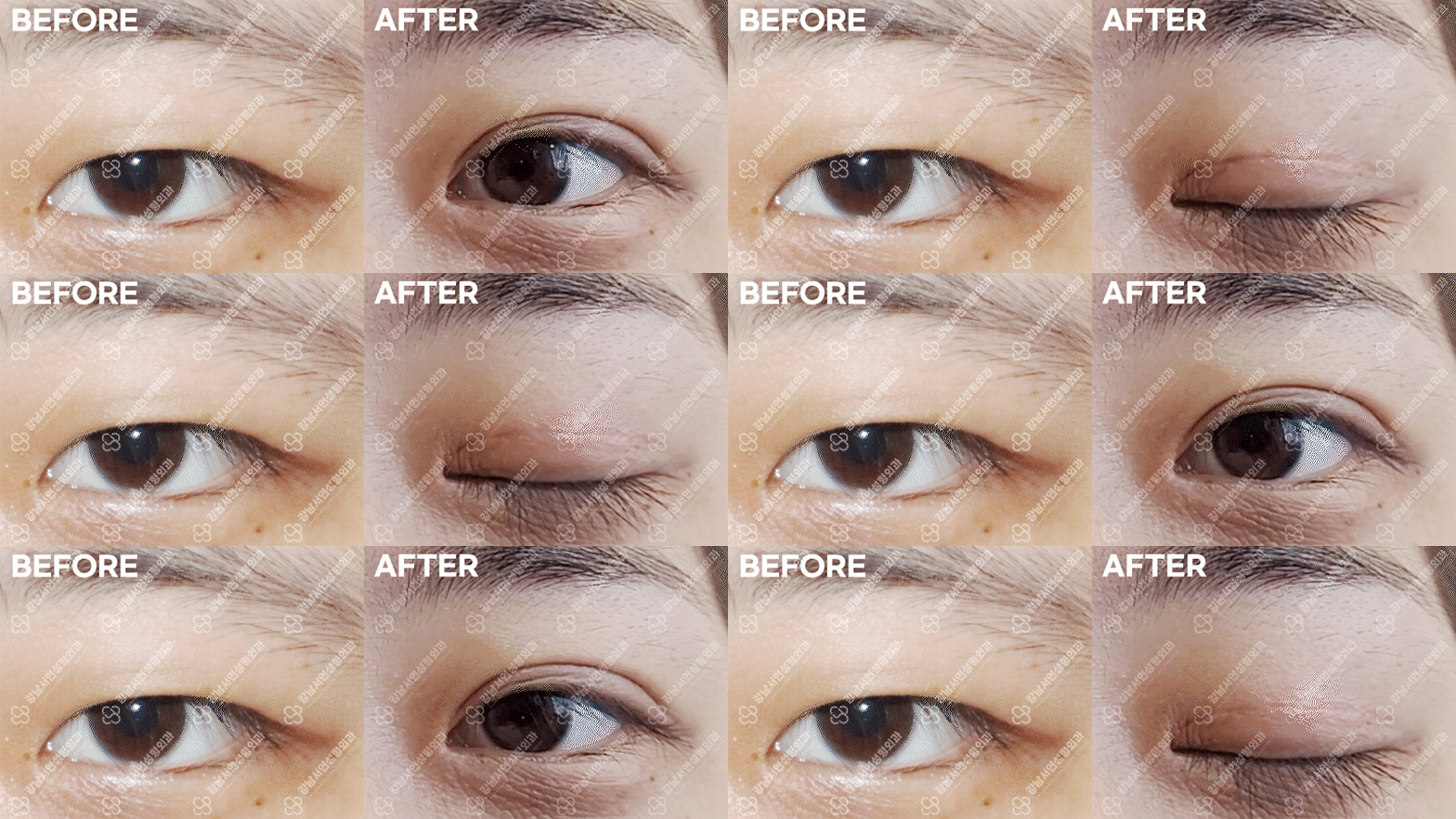
Actual surgical indication is about 30% — Proceeded only after suitability assessment
We first check if the eye condition is suitable for lateral and lower canthoplasty before creating a personalized design. The cases where this surgery is actually effective and yields beautiful results are about 30%%. We naturally enlarge and refresh the eyes while preventing excessive scleral show. Occasionally, the eyelid and eyeball may not adhere closely immediately after surgery, but this resolves within a few days, so you can rest assured.
Low mucosal exposure and a stuffy appearance.
Incisional ptosis correction, lateral canthoplasty, and lower canthoplasty performed.
If only lateral or lower canthoplasty is performed alone, the surgical site often reattaches or fails to achieve the expected significant effect. To simultaneously widen the horizontal and vertical lengths of the eyes and lower the probability of postoperative adhesion, performing lateral and lower canthoplasty togetheris recommended.
Because lower canthoplasty sutures the tarsal plate to the muscle pulling the lower eyelid, it is not suitable if your eyelashes normally poke your eyes or if you have bulging under-eye fat. In such cases, more skin excision is needed. Furthermore, if the sclera is visible below and to the sides of the iris, in cases of sanpaku eyes, lower canthoplasty is not recommended as the surgery will cause more severe scleral show.
Published in the 2019 Journal of Plastic and Reconstructive Surgery (JPRS) — Gangnam Seoyeon's exclusive surgical method
If the lacrimal caruncle is excessively exposed after epicanthoplasty, epicanthoplasty reconstruction (epicanthoplasty restoration)can improve it. Gangnam Seoyeon minimizes epicanthoplasty scars along with the reconstruction.
Gangnam Seoyeon's exclusive paper on epicanthoplasty reconstruction was published in the Journal of Plastic and Reconstructive Surgery (JPRS).
Placeholder for epicanthoplasty reconstruction before and after GIF.
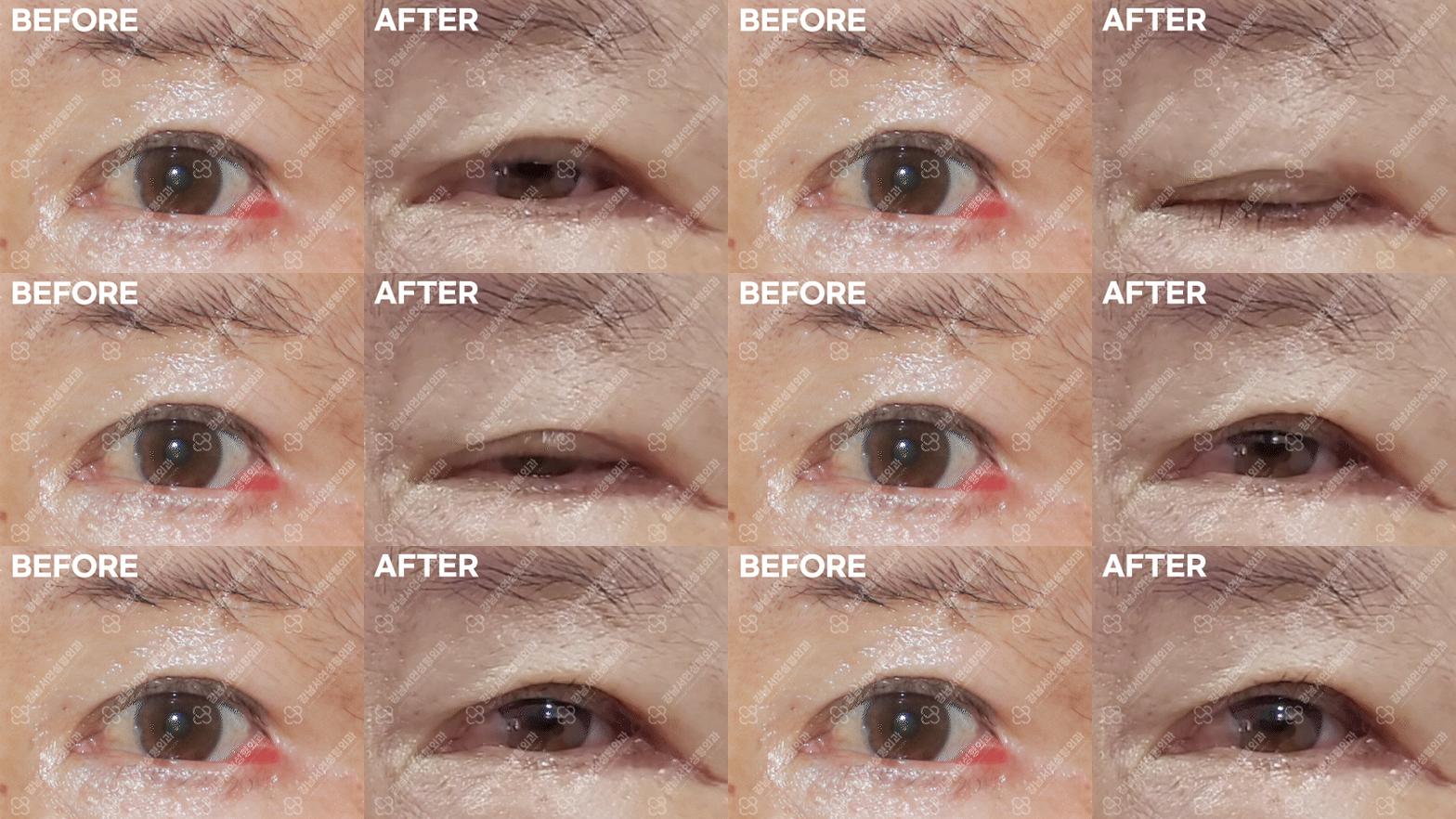
1-year progress video of reconstruction for a case with excessive lacrimal caruncle exposure after epicanthoplasty. Captured unedited without retouching.
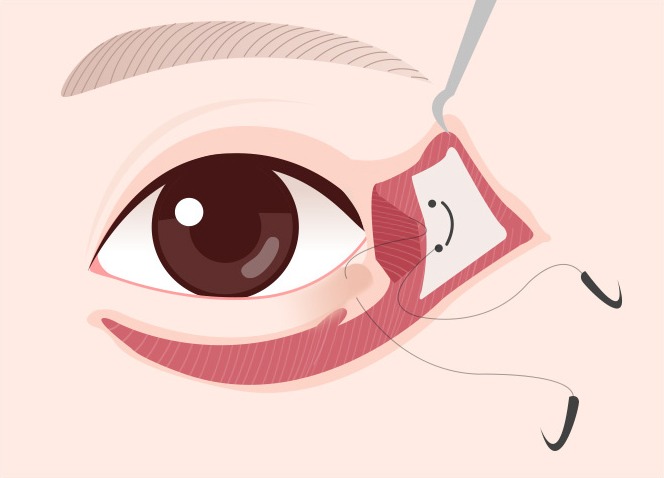
Reconstruction by fixing the lateral canthal tendon to the bone/periosteum
Correction is necessary when excessive mucosal exposure after lateral canthoplasty causes an unnatural shape, a depressed impression, or functional problems. It is reconstructed by fixing the end of the lateral canthal tendon to the bone or periosteum.
A case reconstructed by fixing the lateral canthal tendon to the bone/periosteum. Captured in one video from before surgery → immediately after surgery → up to 1 week of recovery.
A case with excessive mucosal exposure and drooping lateral canthus. The line was naturally refined after lateral canthal tendon reconstruction.
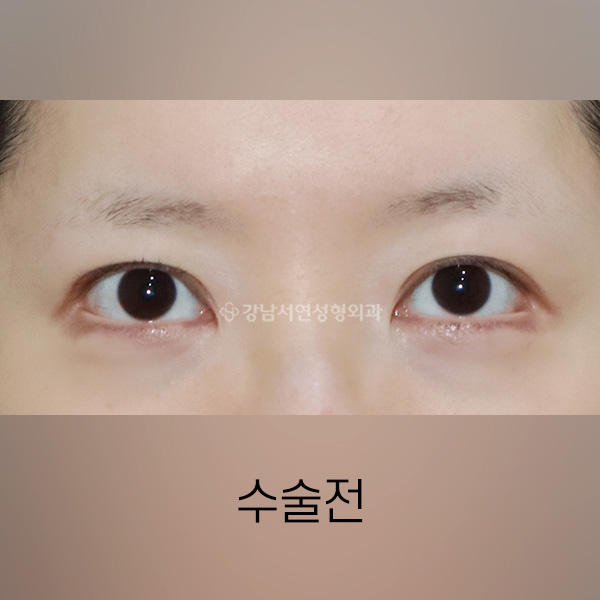
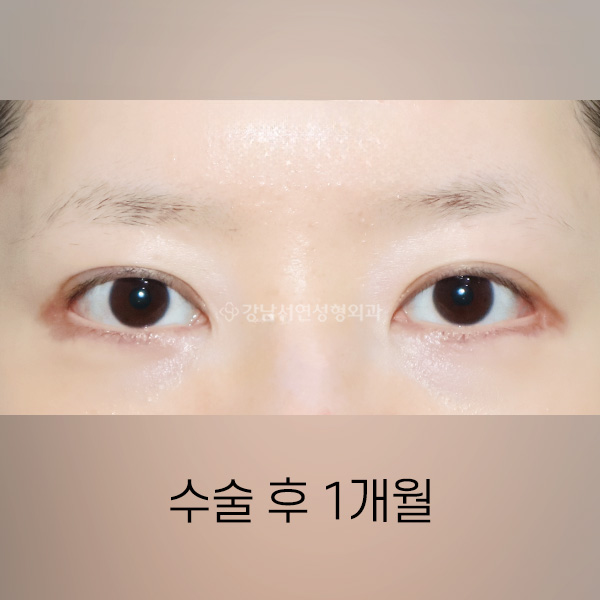
Surgical techniques verified through conference presentations and live surgery lectures.
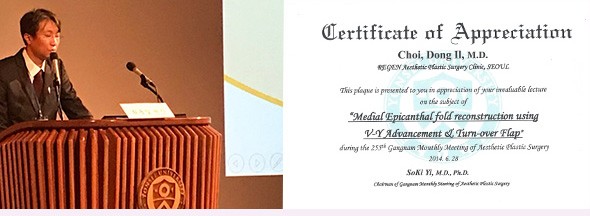
Presentation on Epicanthoplasty Restoration & Epicanthal Fold Reconstruction — Medial Epicanthal Fold Reconstruction using V-Y Advancement & Turn-over Flap
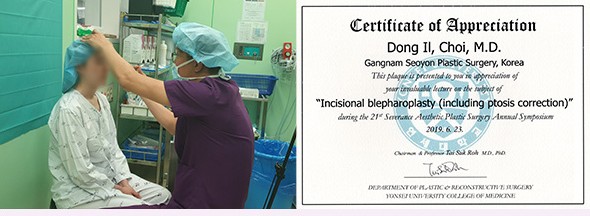
21st Severance Annual Aesthetic Plastic Surgery Symposium — Live Surgery Lecture on Incisional Ptosis Correction and Epicanthoplasty (Incisional Blepharoplasty including Ptosis Correction)
4 changes created by Gangnam Seoyeon Canthoplasty.
We explain key points to know before surgery through video.
Apply for a 1:1 consultation directly reviewed by Dr. Choi Dong-il.